

- This event has passed.
Alton Baker | A Whilamut River Walk & Urban Forest Bath
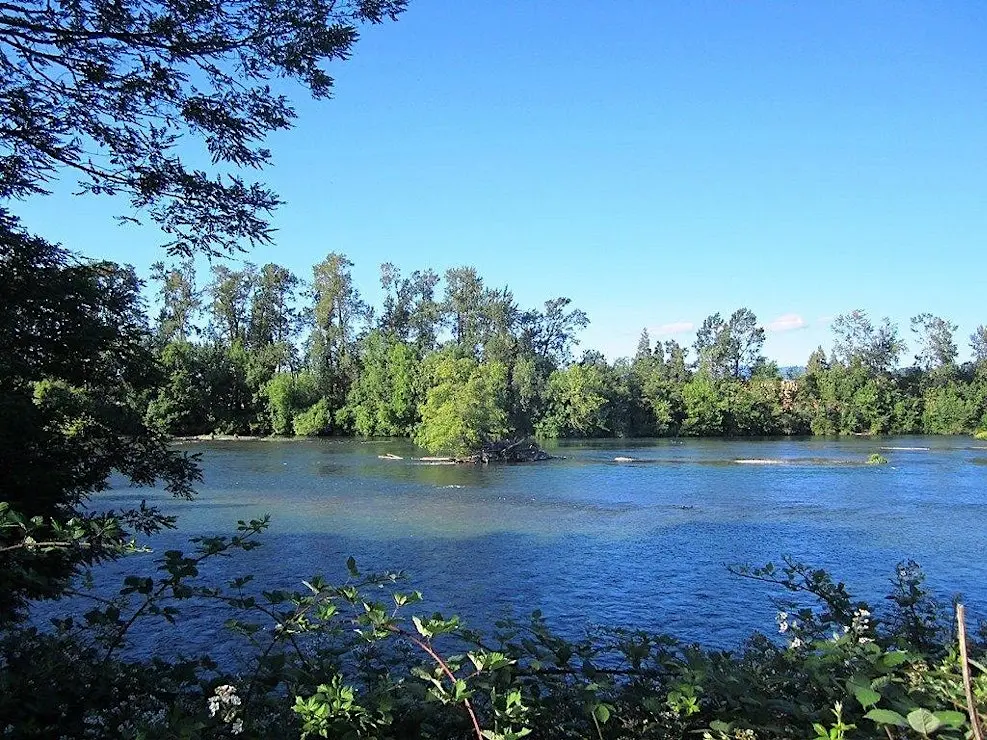
Immerse yourself in nature’s beauty with a peaceful, restorative river walk and urban forest bath experience at Alton Baker Park.
Explore A Living Museum
Alton Baker Park, Eugene’s largest urban park, spans over 400 acres along the eastern banks of the Willamette River. It is a vibrant space where recreation, culture, and ecology converge, offering walking and biking trails, open meadows, wetlands, and river access. The park provides opportunities for visitors to connect with nature while enjoying recreational activities, including picnicking, sports, kayaking, and birdwatching, making it a cornerstone of Eugene’s community life. Its expansive landscapes offer a sense of openness and freedom, while subtle ecological features like restored wetlands, oak savanna groves, and native plantings, invite visitors to observe the seasonal rhythms of the valley. Alton Baker Park is also a cultural and educational hub, incorporating art, history, and indigenous heritage throughout its design. The park contains interactive installations, interpretive signage, and access points to the Whilamut Natural Area, connecting visitors to the ancestral lands of the Kalapuya people. Features like the Eugene Solar System Trail and Kalapuya Talking Stones integrate science, cosmology, and storytelling, allowing visitors to move between ecological observation and narrative reflection. Trails guide walkers past wetlands, meadows, and river viewpoints, where each turn offers both sensory immersion in the landscape and insight into the valley’s human and natural history. Beyond recreation and education, Alton Baker Park functions as a living classroom and ecological corridor. Seasonal floods, river meanders, and native wildlife are all part of a dynamic ecosystem that demonstrates the interconnectedness of land, water, and life. Whether observing migratory birds, walking the trails, or reflecting by the river, visitors will experience the valley as a living system, one shaped by both human history and natural cycles.
Tour Includes:
- Guided river walk through 3 different trails
- Local Storytelling and Birdwatching
- Urban Forest Bath (Sensory based activities and meditations)
Tips for your River Walk & Nature Immersion
Forest bathing, also known by the Japanese term shinrin-yoku, is a mindful practice of spending slow, intentional time in a forest or natural setting to support mental, emotional, and physiological well-being. These special forest bathing experiences will be nourishing to the soul, offering a safe space to wander, reflect, and restore.
Alton Baker Park is home to several historic and cultural installations, and adjacent to the Whilamut Natural Area, a preserved riparian landscape nestled in the bend of the Willamette River. Here we slow down and observe Nature’s power to shift our internal state with a 45 minute guided session of Shinrin-yoku, adapted for an urban forest setting.
What to Expect
We begin with a guided mindfulness meditation, then experience the Park through a series of exploratory invitations that encourage grounding and playfulness with nature. Explore the Valley’s Riparian landscape, history and local culture, and wildlife along 3 interwoven trails. Walks will conclude with shared reflections. It is not hiking or exercise-focused. The emphasis is on sensory immersion: noticing the textures of bark, the sound of wind and birds, the scent of soil and leaves, and the quality of light. You move gently, pause often, and allow the environment to regulate your nervous system rather than trying to “do” anything. In short, forest bathing is a deliberate recalibration of the human nervous system through relationship with nature and is especially effective for stress recovery, mental fatigue, and emotional depletion.
Origins of Shinrin-yoku
The practice emerged in Japan in the 1980s as a public health intervention to counter rising stress and burnout associated with urbanization and work culture. It has since become a structured therapeutic modality in many countries.
How it works
Forest bathing activates the parasympathetic nervous system (rest-and-digest). Research links it to:
- Reduced cortisol and blood pressure
- Improved mood and emotional regulation
- Enhanced immune function (associated with exposure to phytoncides—volatile organic compounds released by trees)
- Improved attention and cognitive clarity
A typical session lasts 60 – 120 minutes and includes:
- Slow, silent walking
- Guided sensory invitations (listening, touching, breathing)
- Periods of stillness or reflection
- Optional group sharing at the end
Forest Bathing is not:
- Not a workout
- Not wilderness survival
- Not goal-oriented or outcome-driven
Our session will be held outdoors with limited indoor or covered options available for inclement weather. Please dress appropriately with sturdy footwear.
Timing: Arrive 10 – 15 minutes prior for check in. Your guide will be wearing a green vest.
Duration: 2.5 Hours. Total walking time is approximately 75 minutes.
Safety: This is an easy walking tour with flat surfaces and slow pace. Remain close to the group and avoid wandering off the paths.
What to Bring: Supplies; Water (or water bottle for collecting spring/well water), snacks, yoga mats or towel to sit on nearby the river, walking stick, journals, sunscreen, disposable camera/binoculars, poncho, wipes/tissues, hand sanitizer. (Cash if you’d like to tip your guides). Clothing; Layers, waterproof walking/hiking boots in the Fall/Winter, water shoes, gloves, hat, towel.
Photography & Research: Bridges, waterfalls, and shorelines are ideal for capturing misty landscapes or atmospheric conditions in the Valley.
Respect & Preservation: Avoid entering residential and private driveways. Stick to trails and campsites, and avoid disturbing wildlife or historical structures. We encourage silence during forest bathing and riverside stops to maximize energetic and sensory experiences.